Where self-discovery meets handwriting, phonics, and confidence.
When a child traces letters for the first time, something magical happens.
But when those letters form their own name — Liam, Emma, Noah, Ava — the magic doubles.
Their eyes brighten. Their posture straightens. They feel proud, capable, and deeply connected to the learning process.
Tracing Names & Alphabet Worksheets turn that emotional spark into a powerful educational tool.
With the AI Worksheet Generator, every worksheet becomes personal, meaningful, and developmentally precise — whether your learner is a preschooler discovering letters or a kindergartner mastering early writing skills.
These aren’t generic tracing sheets.
They are identity-based learning experiences that build handwriting, phonics, memory, confidence, and emotional connection — all at once.
A name is a child’s first symbol of identity.
Seeing it printed, tracing it, recognizing its letters — that creates instant motivation.
AI-powered tracing name worksheet pages personalize learning in a way nothing else can:
● The child sees their letters, not random ones
● The brain forms faster memory links
● The task feels meaningful, not mechanical
● Writing becomes a proud moment, not an assignment
That emotional connection is educational gold.
Each worksheet can include the child’s name in dotted form, bold form, guided arrows, uppercase/lowercase pairs, and themed visual cues.
This is why names tracing worksheets outperform traditional handwriting sheets in attention and results.
💡The Neuroscience Behind Name Tracing
Cognitive research confirms that children remember letters far better when they are emotionally relevant — and the most emotionally relevant word a child knows is their name.
When a child engages with a trace names worksheet, four brain systems activate at once:
🧠Visual processing — recognizing shapes and patterns
✋Motor sequencing — following directional strokes
👂Auditory mapping — linking letter sounds with symbols
💛Identity integration — “These letters belong to ME”
This multi-sensory activation accelerates literacy more effectively than passive exposure, flashcards, or repetitive drills.
That’s why therapists, teachers, and parents rely on tracing names worksheet activities as a foundation for early writing.
🎯What’s Inside a High-Quality Tracing Worksheet
The AI Worksheet Generator designs clean, developmentally aligned pages that feel both educational and fun.
A typical trace a name worksheet includes:
● Dotted tracing lines for every letter in the child’s name
● Uppercase and lowercase versions
● Alphabet warm-ups (A–Z tracers)
● Directional arrows for proper formation
●
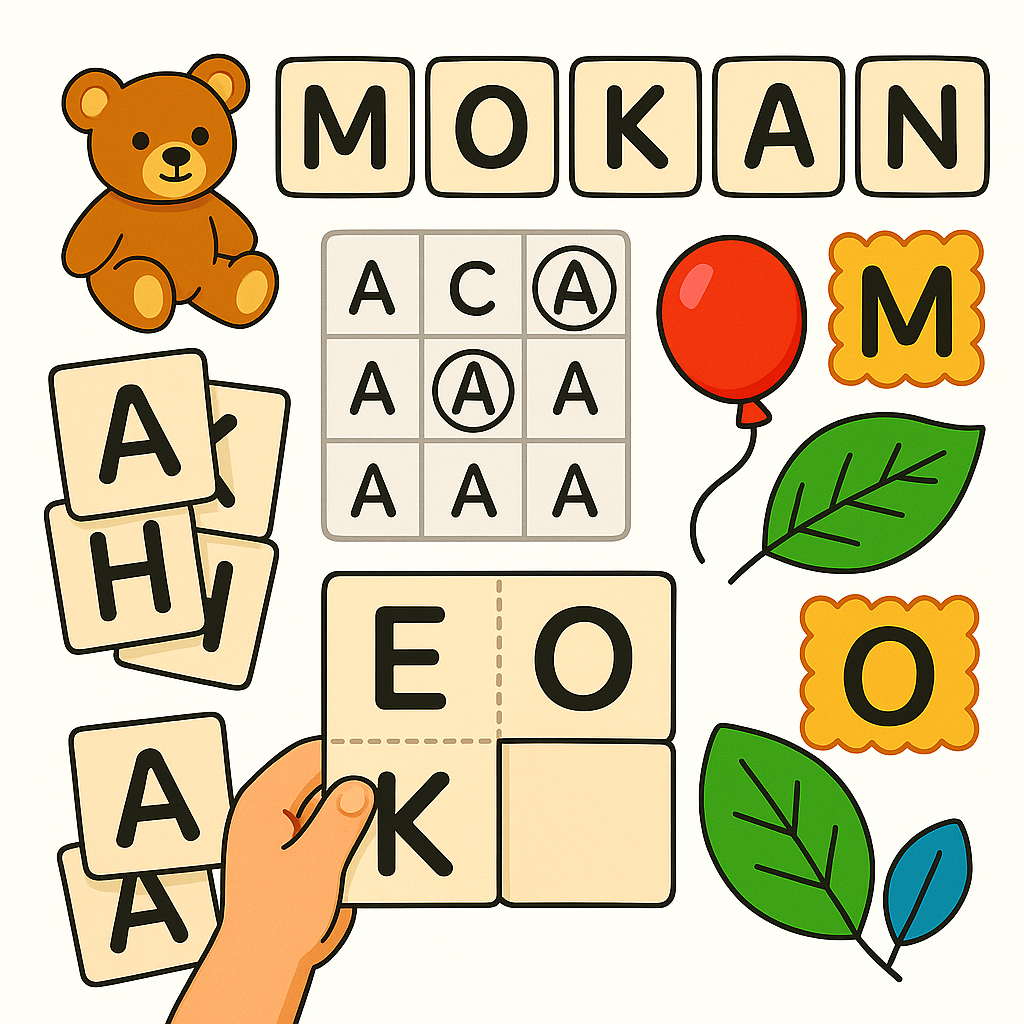
● “Find the first letter of your name” mini-games
● Free-writing lines for independent practice
The layout stays simple, visual, spacious, and stress-free — exactly what small hands and young minds need.
🧩Alphabet Learning Connected to Real Meaning
Name tracing is just the beginning.
The AI generator also creates alphabet tracers worksheet pages that expand the child’s phonics and literacy skills.
Children learn:
● Letter recognition
● Letter–sound matching
● Uppercase/lowercase pairing
● Beginning-sound identification
● Alphabet sequence awareness
And because these tasks connect naturally to the child’s name, they retain information faster.
That’s where trace name worksheet, abc tracer worksheets, and name tracing worksheet designs work together — creating a complete alphabet readiness path.
🏠For Parents: A Beautiful Way to Bond & Learn
Parents love using tracing worksheets name pages at home because they turn writing into a shared ritual:
● Morning calm-time
● After-school handwriting warmups
● Bedtime “trace your name and tell me a story”
● Weekend creativity sessions
Try making it fun:
🎨Rainbow tracing — each letter in a different color
💬 “What sound does your name start with?”
🔍 Letter hunt — find all name letters hidden on the page
🌈 Decorate the final version with stickers or glitter
These traceable name worksheets aren’t just academic tools — they are moments of connection, pride, and discovery.
And every completed page becomes a keepsake.
👩🏫For Teachers: Immediate Personalization for Every Student
Normally, creating individualized handwriting sheets for a full classroom takes hours.
With AI, it takes seconds.
Simply enter each child’s name — and instantly create:
● tracing the name worksheet
sets
● alphabet warm-ups
● phonics matching
● uppercase/lowercase sorting
● themed pages (animals, seasons, holidays)
Teachers can generate name traceable worksheets for the entire class — consistent fonts, clean layout, perfectly spaced lines, all in a professional printable format.
Use them for:
📚Morning work
🖍 Handwriting centers
🧠 Phonics practice
🏠 Homework packets
🎨 Art–writing integrations
It’s personalized learning at scale — without exhaustion.
🗣For Therapists: OT (Occupational Therapists) + SLT (Speech and Language Therapist) + Literacy in One Page
OT (Occupational therapists), SLT (Speech and Language Therapist), and early intervention specialists rely on name tracer worksheet pages to support:
✋fine-motor strengthening
🧠 sequencing and planning
💬 phonemic awareness
👁 visual tracking
🧩 letter discrimination
💛 emotional regulation through rhythmic tracing
Therapists can instantly generate tracing name worksheets with:
● Extra-large letters
● Thick guidelines
● High-contrast fonts
● Multisensory cues
● Reduced visual clutter
● Custom vocabulary for speech targets
It’s the most adaptable tool for developmental support — backed by neuroscience, not guesswork.
🧠The Learning Psychology: Why It Works
Children learn best when:
1. The task feels personal
2. They can predict progress
3. The final result brings pride
Tracing worksheets for names
fulfill all three.
Every time a child traces their own name, dopamine — the reward neurotransmitter — gives them a sense of success.
That emotional reward is what drives:
● persistence
● longer focus time
● willingness to try harder letters
● excitement to learn the rest of the alphabet
This is why these worksheets outperform generic writing tasks in both engagement and achievement.
🎨Beyond Tracing: Creative Extensions
Turn your abc tracing letters worksheet into multi-skill activities:
📘Storytelling: “My name starts with L. L is for lion. Let’s draw one!”
🧩Puzzle building: cut letters apart and reassemble in order
🎲Letter bingo: find letters from the name in magazines
🎯Copywork: write the name without tracing
💌Name cards: create personalized labels, signs, or art
Each extension strengthens handwriting, confidence, and self-expression.
⚙Why AI Makes These Worksheets Extraordinary
Manual worksheet creation is slow, limited, and often visually inconsistent.
The AI Worksheet Generator creates:
💡precise letter spacing
💡 perfect dotted strokes
💡 child-friendly fonts
💡 themed illustrations
💡 fully personalized layouts
💡 print-ready PDFs in seconds
You can produce:
● alphabet tracing workbook pages
● trace alphabet worksheets
● worksheet alphabet letters
● number tracing worksheets for sequencing
● trace the letters of the alphabet worksheet variations
● printable letter tracers
● printable letters for tracing
● printable tracing letters sheets
● alphabet letters tracing collections
Everything is instantly scalable for home, school, or therapy use.
💛Identity = Motivation
When a child sees their name beautifully printed, they feel:
● important
● capable
● noticed
● proud
● connected
That emotion drives learning more effectively than any external reward.
It is the foundation of intrinsic motivation — the key to lifelong literacy success.
🧩From Tracing to Independent Writing
After a few weeks of consistent practice:
● letter shapes become smoother
● grip improves
● spacing becomes natural
● phonics awareness accelerates
● children begin writing their names without tracing
That’s the moment every parent and teacher waits for — when handwriting becomes independence.
And it all begins with a simple Tracing Name Worksheet.
🚀Ready to Create Personalized Name & Alphabet Worksheets?
Turn handwriting practice into identity, joy, and confidence — with custom worksheets designed specifically for your learner.
Because every letter a child traces brings them one step closer to literacy, confidence — and seeing themselves as a writer.