Before the first words appear…
Before the first sentences take shape…
Before a child is ready for early reading, writing, or beginner math…
There is one tiny skill that quietly unlocks communication for every young learner:
👉 Pointing.
It looks simple.
It takes only a moment.
But pointing is one of the most powerful early communication tools in child development — and one of the earliest indicators of speech, understanding, and learning readiness.
A child who can point can:
● express choices
● answer yes/no and “what?” questions
● learn new vocabulary
● follow directions
● show understanding before speaking
● participate in Pre-K activities
● connect with adults and peers
That’s why pointing gesture training is used across pre k worksheets, toddler learning routines, early intervention, bilingual households, and activities for speech and language in therapy.
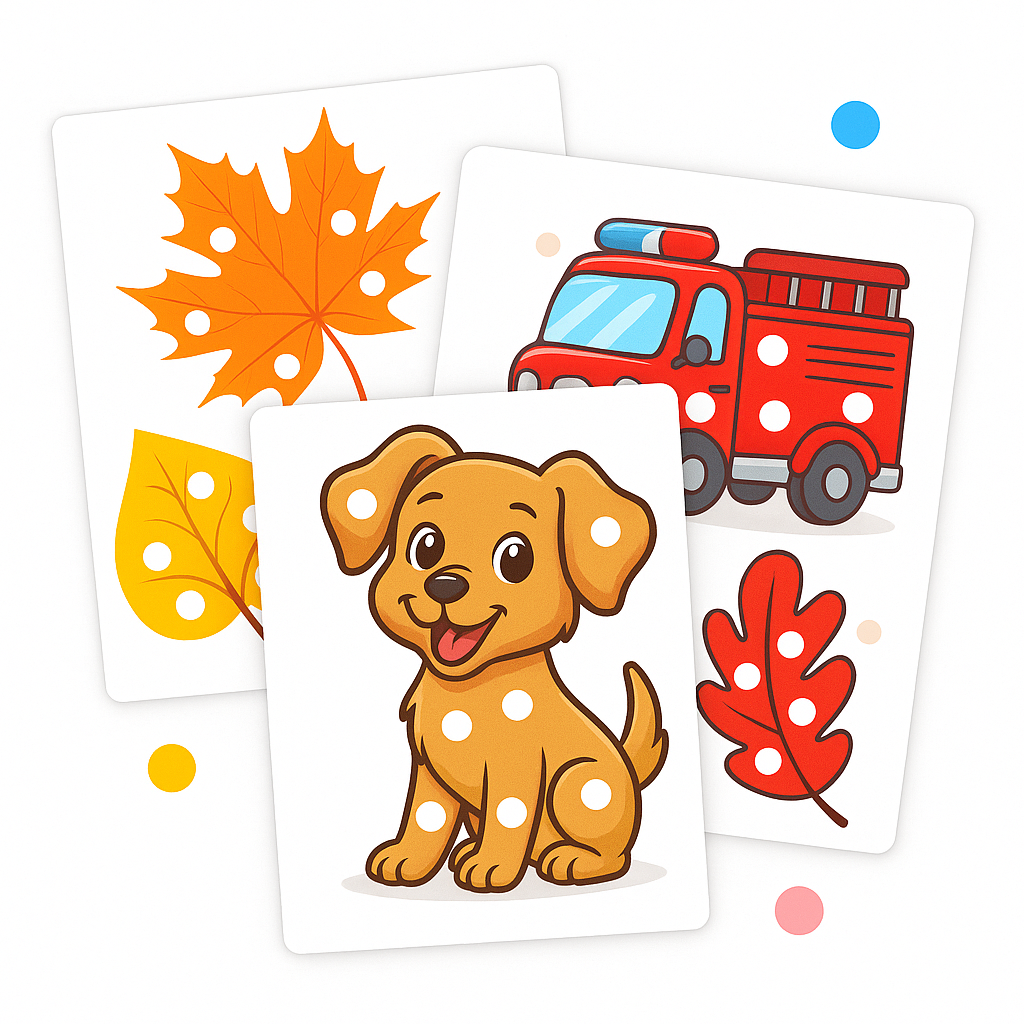 Today, pointing worksheets have become core tools — right alongside flashcards, picture cards, and vocabulary games — because they build the very foundations of communication.
Every time a child points to a picture, two major developmental processes happen at once:
1
.Their brain links the picture to meaning
This builds receptive language — the ability to understand words.
2
.They express understanding without needing speech
This gives them a voice before they can talk.
For many toddlers and 2-year-olds, pointing is the bridge to spoken language:
● It removes pressure
● It reduces frustration
● It increases confidence
● It encourages natural communication
That’s why pointing worksheets are included in, sometimes mistakenly searched as prek k worksheets programs worldwide.
Simple pre kindy worksheets commands like:
● “Point to the dog.”
● “Show me the apple.”
● “Where is the car?”
turn learning with worksheets for pre-K into a fun, visual, stress-free routine.
💎What Makes Pointing Worksheets So Powerful?
Unlike many preschool worksheets that require writing, coloring, or tracing, pointing worksheets demand nothing except attention and recognition.
No pencils.
No fine-motor skills.
No pressure to speak.
No steps to follow.
Just:
👉 Look → Understand → Point
This simplicity is exactly why they work beautifully for:
● toddlers
● late talkers
● bilingual children
● autistic learners
● AAC beginners (AAC - children or adults who use Augmentative and Alternative Communication systems)
● children attending speech-on-home programs
● young preschoolers with short attention spans
Every correct point gives the child an instant feeling of success — and success is the strongest motivator in early learning.
💎What Children Learn Through Pointing
Pointing worksheets strengthen a wide range of essential skills.
🧠
Vocabulary Development
Children learn nouns like animals, foods, vehicles, toys, clothes, and everyday objects.
👂
Receptive Language
Following directions such as:
● “Point to the big one.”
● “Show me something you eat.”
This builds listening and comprehension.
🗣
Early Communication
Pointing allows children to:
● choose
● answer
● request
● express preferences
all before speech develops.
🤝
Social Communication
Pointing supports:
● joint attention
● turn-taking
● shared interaction with adults
🧩
Cognitive Skills
Through simple tasks, children practice:
● matching
● categorizing
● scanning
● visual discrimination
● problem-solving
A tiny gesture becomes a powerful learning engine — without the child even realizing it.
💎Why Teachers and Therapists Use Pointing Worksheets Daily
Educators rely on pointing worksheets because they are:
💡bright and visually clean
💡 developmentally appropriate
💡 fast to complete
💡 ideal for mixed-skill groups
💡 excellent for short sessions
💡 zero-prep and easy to print
💡 perfect for worksheets for children (sometimes mistakenly searched as “worksheets for childrens”) in Pre-K settings
That’s why pointing activities are essential in:
● preschool learning centers
● structured kindergarten warm-ups
● early language classrooms
● special education
● teletherapy routines
SLPs (speech-language pathologists) often start therapy with pointing because it provides the very first opportunity for a child to respond in a structured, predictable way.
💎Why Parents Love Pointing Worksheets at Home
Parents beginning speech-on-home routines often feel unsure:
“What should I teach first?”
“How can I help without forcing my child to speak?”
“What if my toddler won’t repeat after me?”
Pointing worksheets make the first step simple:
● no pressure
● no frustration
● no expectations for speech
● only clear, visual choices
Small prompts such as:
● “Show me the cat.”
● “Point to the banana.”
● “Where is the truck?”
create a fast success cycle.
This is the most natural, joyful way to begin communication.
💎Ideal for Toddlers and 2-Year-Olds
Most 2 yr old worksheets online are too advanced:
● tracing letters
● coloring inside shapes
● writing lines
Toddlers aren’t ready for these tasks.
But pointing?
👉 Every toddler should try to do that.
That’s why pointing worksheets are widely used in:
● early intervention
● toddler classrooms
● home preschool ideas
● bilingual households
● autism programs
● AAC routines (AAC - children or adults who use Augmentative and Alternative Communication systems)
● activities for speech and language
Even non-speaking children can show understanding and participate.
💎How Speech Therapists Use Pointing Worksheets
Pointing is one of the first strategies SLPs (Speech-Language Pathologists) use to help children:
● follow simple directions
● identify familiar vocabulary
● choose between two or more options
● demonstrate understanding
● reduce frustration during communication
● prepare for expressive language and imitation
● build attention and turn-taking skills
For many late talkers, the moment they point correctly for the first time is a breakthrough — a clear sign that communication is emerging.
🤖The Modern Upgrade: AI-Generated Pointing Worksheets
Searching for pointing worksheets online often leads to:
🔹blurry images
🔹 cluttered pages
🔹 overwhelming layouts
🔹 tasks that are too easy or too hard
🔹 visuals that confuse toddlers
AI fixes all of this instantly.
With an AI Worksheet Generator, you can:
💡create pointing worksheets in seconds
💡 choose any theme (animals, toys, food, vehicles, nature…)
💡 adjust how many pictures appear
💡 select difficulty levels
💡 print unlimited variations
💡 personalize worksheets for each learner
This modern approach saves hours while producing clear, realistic, child-friendly images that truly support communication.
💛Why Children Love Pointing Worksheets
Because they offer:
● quick success
● fun, bright pictures
● short, engaging activities
● zero pressure to speak
● a feeling of mastery
When learning feels like a game, children learn naturally — and faster.
🔥Ready to Start Pointing Gesture Training?
If you are:
● a parent looking for simple home preschool ideas
● a teacher preparing worksheets for children (often misspelled online as “worksheets for childrens”) in Pre-K
● a therapist building early communication goals
● a caregiver supporting a toddler at home
… pointing worksheets are the easiest, fastest, and most effective place to begin.
They help children:
💡build vocabulary
💡 follow directions
💡 understand language
💡 communicate without stress
💡 grow confidence
💡 prepare for expressive speech
Everything starts with one tiny gesture.
Sometimes the smallest skill
leads to the biggest breakthrough.