If there is one early-learning activity that boosts memory, attention, expressive language, and problem-solving all at once — it’s the Find a Difference Game, also known as “What Disappeared?” worksheets.
They look magical to children.
They feel like detective work.
But beneath the fun is one of the strongest cognitive and language-building tools used in kindergarten worksheets (sometimes mistakenly searched as “kindergardten worksheets”), difference finder games, and worksheets for kindergarteners printable across the world.
And today, thanks to AI, you no longer need to prepare materials manually, cut clipart, or depend on low-quality downloads.
You can generate stunning, leveled, themed worksheets instantly — ready for home, classroom, or speech therapy.
Let’s dive into why this small worksheet creates huge developmental growth.
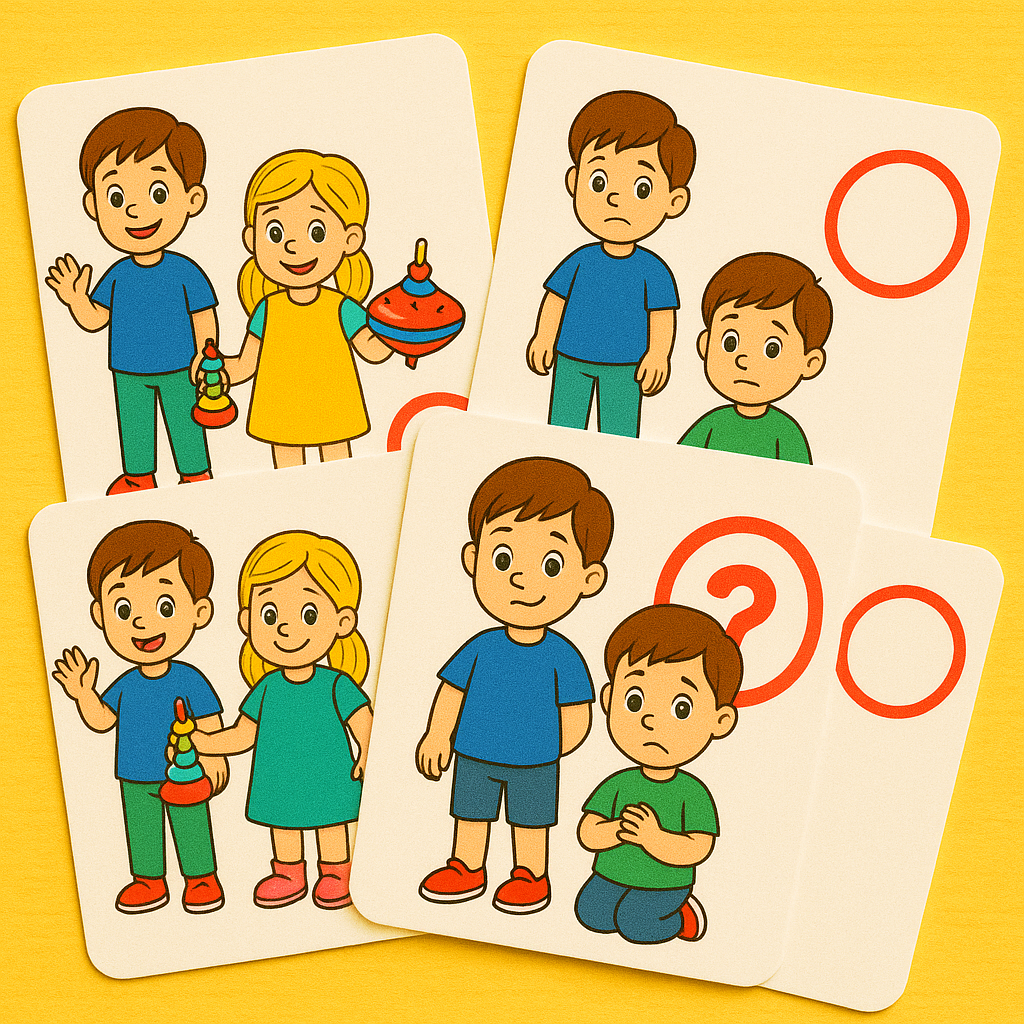
To adults, it’s simple.
To a child’s brain, it’s a science laboratory.
To solve a find a difference game, a child must:
💡examine two pictures
💡 hold details in working memory
💡 compare them carefully
💡 notice subtle changes
💡 identify what disappeared
💡 express the answer verbally
This chain activates the same neurological systems used for:
🧠visual memory
🧠 attention and focus
🧠 early reasoning
🧠 object recognition
🧠 vocabulary growth
🧠 listening comprehension
That’s why educators add this to kindergarten worksheets (sometimes mistakenly searched as “kindergardten worksheets”) and language activities for preschool — because one tiny puzzle unlocks multiple learning pathways.
🌟Why Teachers Use It in Pre-K and Kindergarten Every Week
You’ll find this worksheet inside:
• morning warm-ups
• literacy centers
• visual-discrimination stations
• fast-finisher bins
• homework packets
• substitute teacher plans
• transition activities
Teachers choose it because:
💡it requires zero explanation
💡 every child can participate
💡 it’s screen-free and quiet
💡 it works for mixed skill levels
💡 it builds attention instantly
💡 it fits in any theme (animals, food, seasons, etc.)
And — crucially — children never see it as “work.”
They see it as a mystery challenge.
🌟Why Speech Therapists Swear by This Activity
SLPs (Speech-Language Pathologists) love this task because it naturally trains core speech-language foundations:
💡naming objects
💡 describing features
💡 producing sentences
💡 using past tense (“It WAS there… now it’s gone.”)
💡 building vocabulary categories (food, animals, toys, clothes)
💡 developing grammatical structure
💡 improving working memory
For example:
🔹 “Apple.”
💡 “The apple disappeared.”
💡 “It was here before, but now it’s gone.”
This is why speech therapy and technology tools increasingly include find a difference game formats — because they reliably produce progress.
Even bilingual learners, selective talkers, or autistic children respond beautifully, because the task is visual, predictable, and motivating.
🌟The Psychological Secret: Why Kids Love It
Kids are natural detectives.
They love spotting what others miss.
They love the moment their brain shouts:
🌟 “I FOUND IT!” 🌟
This success moment releases dopamine — the brain chemical for:
💡motivation
💡 focus
💡 memory
💡 joy in learning
That’s why:
• distracted kids suddenly concentrate
• shy kids participate confidently
• reluctant learners ask for “one more!”
• children stay engaged longer than usual
It’s not just a worksheet.
It’s a reward cycle disguised as learning.
🌟Why It Dramatically Improves Attention & Working Memory
If a child struggles with:
• staying seated
• completing tasks
• following directions
• remembering details
This worksheet is the perfect gentle training tool.
To solve “What disappeared?” they must:
💡observe carefully
💡 hold visual information
💡 compare pictures
💡 recall what changed
💡 respond accurately
That’s executive function development hidden inside a fun puzzle.
🌟What Makes AI-Generated Worksheets Far Superior
Most online finding difference games are:
✘blurry
✘ cluttered
✘ visually overstimulating
✘ too advanced or too babyish
✘ repetitive
✘ limited in theme
Our AI generator fixes everything instantly:
💎professional illustrations
💎 clean spacing
💎 clear details for little eyes
💎 perfect difficulty leveling
💎 print-ready kindergarten format
💎 unlimited variations
💎 black-and-white OR color
💎 any theme (pets, dinosaurs, vehicles, holidays, etc.)
This is not “clipart on a page.”
This is premium curriculum-quality material in seconds.
🌟Perfect for Home Practice: 2–4 Minutes a Day Is Enough
Parents love worksheets for kindergarteners printable when they are:
💡short
💡 simple
💡 screen-free
💡 independent
💡 fun
“What Disappeared?” is ideal for:
• breakfast table learning
• car rides
• restaurants
• waiting rooms
• pre-bed calm activities
• quiet time
🌟Use It as a Language Expansion Tool
Turn the worksheet into a conversation:
🗣 “Tell me what disappeared.”
🗣 “Describe it.”
🗣 “What color was it?”
🗣 “Where was it before?”
Sample progressions:
🔹 “Cookie.”
💡 “The cookie disappeared.”
💡 “It was on the plate before, but now it’s gone.”
SLPs (Speech-Language Pathologists) use this to teach:
• past tense
• adjectives
• categories
• articles (“the”, “a”)
• longer utterances
• reasoning skills
It feels like storytelling — not speech work.
🌟Ideal for ESL (English as a Second Language learners), ELL, and Bilingual Learners
Because the task is fully visual, it removes language pressure.
Children understand the goal instantly — no translating required.
Then you build English naturally:
“What disappeared?”
“The blue hat.”
“Good! Now say the full sentence.”
This makes it one of the best language activities for preschool in multilingual classrooms.
🌟Where AI Changes Everything
Before AI, this activity required:
🔹downloading clipart
🔹 arranging layouts
🔹 cropping images
🔹 printing dozens of versions
🔹 running out of variety
Now?
You choose:
• theme
• difficulty
• number of items
• color or B/W
That’s why educators call this the most practical speech language therapy software upgrade of the decade.
🌟When to Use “What Disappeared?”
💡morning work
💡 circle time
💡 centers
💡 homework
💡 warm-ups
💡 assessments
💡 visual-memory training
💡 fast-finisher tasks
💡 small-group rotations
It works for ages 3 and up — and remains useful through early elementary grades.
🌟Who Benefits the Most?
This worksheet is powerful for:
• preschoolers
• kindergarteners
• late talkers
• autism spectrum learners
• ADHD (Attention-Deficit / Hyperactivity Disorder)
• bilingual/ESL (English as a Second Language learners) children
• working-memory challenges
• kids who avoid writing tasks
Because it feels like a game, not a test.
🌟And Yes — Children Will Ask for More
You’ll hear:
“Can you make another one?”
“Do the dinosaur one!”
“Harder, please!”
With AI, the answer is always:
“Sure — printing now.”
🌟Try It Yourself
You’ve seen why it works.
You’ve seen why teachers, therapists, and parents rely on it.
Now experience how effortless it feels.
One click.
One beautiful worksheet.
One child lighting up with confidence because they figured it out.
This is not just paper.
It’s memory.
It’s language.
It’s thinking.
And with AI — it’s instant.